

By Md S Hossain, Professor of Civil Engineering, University of Texas at Arlington, The Conversation
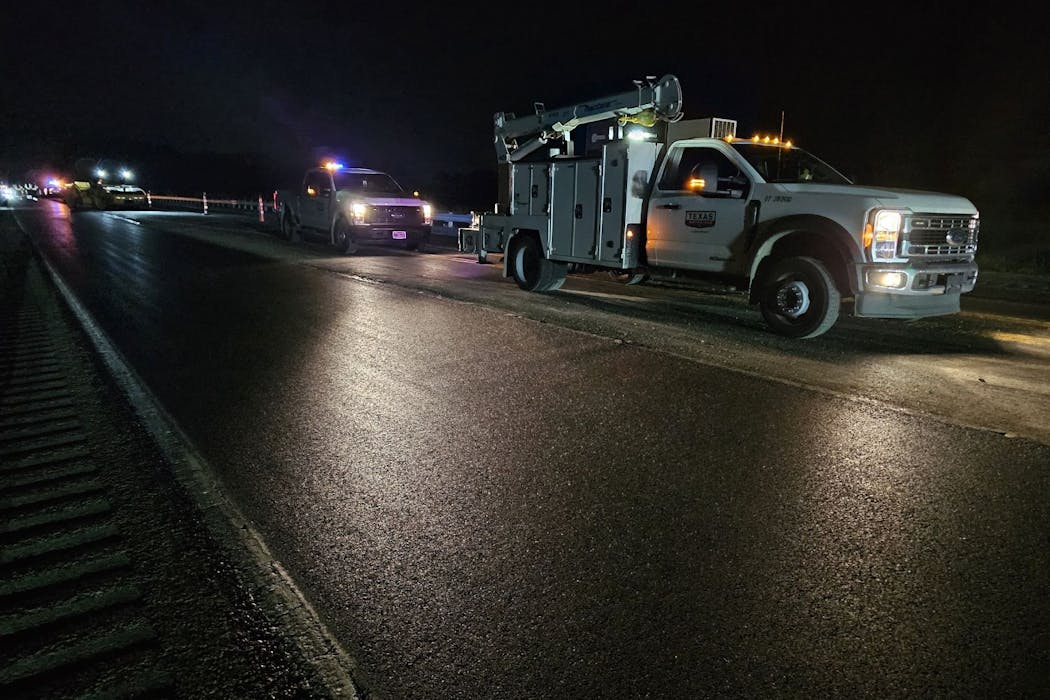
DHAKA, Bangladesh — Infrastructure experts have revealed a breakthrough in sustainable engineering that could change the way cities are built. By infusing traditional asphalt with recycled plastic, researchers are creating a new generation of “super-roads” that are more durable, heat-resistant, and environmentally friendly than ever before.
The Engineering Breakthrough The technology involves a sophisticated process where waste plastic is treated as a binder, significantly increasing the asphalt’s elasticity. In regions prone to extreme heatwaves, traditional bitumen often softens, leading to cracks and structural failure. This new polymer blend allows the road surface to expand and contract without breaking, effectively doubling the lifespan of the infrastructure.
A Personal Mission for Innovation The project carries significant social weight. Md S Hossain, an expert in infrastructure technology whose work is currently under patent review, emphasizes that this innovation is about more than just chemistry—it’s about public health and dignity.
“When I see plastic roads being built in Bangladesh – sometimes not far from where I grew up – I think back to the people who lived near those dump sites,” Hossain stated. “This work isn’t just about roads or recycling. It’s about keeping waste away from the places where people live.”
Environmental Impact and Safety Addressing concerns regarding microplastics, researchers confirmed that when processed at specific industrial temperatures, the plastic bonds chemically with the bitumen. This ensures that the material remains stable and does not leach into the soil or surrounding water tables.
Future Outlook While the technology is currently being deployed in emerging economies like Bangladesh, global adoption is expected to accelerate. Industry analysts suggest that as construction regulations update, plastic-infused asphalt could become the standard for sustainable urban development by 2030.
Quick Facts & FAQ
- Durability: High resistance to “melting” during tropical heatwaves.
- Safety: Chemically stable bonding prevents microplastic leaching.
- Sustainability: Directly reduces landfill waste by using non-recyclable polymers.
This report contains analysis and perspectives originally published by The Conversation. It has been adapted for Global Buzz News to reflect current infrastructure trends.
This article was originally published on The Conversation.