

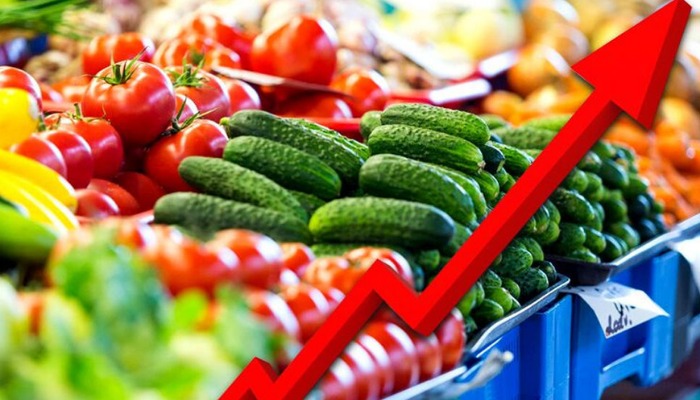

Global food prices are rising once more in early 2026, renewing fears of prolonged inflation and increased food insecurity across vulnerable regions. Economists and aid organizations say a mix of climate extremes, shipping bottlenecks and geopolitical uncertainty is pushing essential commodities higher — from grains and cooking oils to dairy products.
According to preliminary data from international commodity analysts, benchmark prices for wheat and corn have risen steadily over the past two months, while vegetable oil markets remain volatile following production setbacks in Southeast Asia.
“This isn’t a sudden spike — it’s a layered crisis,” said Dr. Elena Marquez, a global trade economist based in Brussels. “Climate shocks are reducing output, and at the same time transport and insurance costs remain elevated. The system hasn’t fully recovered from previous disruptions.”
Extreme Weather Hits Key Producers
Several major agricultural regions have faced extreme weather conditions since late 2025. Prolonged drought in parts of South America has cut soybean yields, while heavy rains in Southeast Asia have damaged rice crops. Meanwhile, parts of Eastern Europe experienced colder-than-average winter conditions that slowed early planting cycles.
Farmers in Argentina and Brazil have reported lower-than-expected harvest forecasts, tightening global supply.
“Input costs are already high — fuel, fertilizers, labor,” said agricultural analyst David Lin. “When yields drop, the impact on international markets is almost immediate.”
The ripple effects are being felt most sharply in import-dependent nations, particularly in parts of Africa and the Middle East.
Shipping Costs and Trade Tensions Add Pressure
Beyond weather-related setbacks, global shipping remains fragile. Maritime rerouting in sensitive trade corridors has extended delivery times and increased freight costs.
Insurance premiums for cargo traveling through high-risk regions have climbed, further adding to food import expenses. Some smaller economies are now paying significantly more for staple goods compared to a year ago.
“Supply chains operate on precision,” said maritime logistics consultant Arjun Patel. “When even one major corridor becomes unstable, costs cascade across the system.”
Trade tensions between key exporting nations have also contributed to uncertainty. Some governments are considering temporary export restrictions to protect domestic supplies — a move that historically amplifies global price swings.
Impact on Households
For consumers, the consequences are already visible. Grocery bills are climbing in multiple regions, particularly for bread, cooking oil and dairy products.
In lower-income countries, where food can represent more than 40% of household spending, the strain is particularly severe.
Humanitarian organizations warn that sustained price increases could reverse progress in poverty reduction.
“When food becomes unaffordable, families cut back on nutrition first,” said Amira Hassan, a regional coordinator for an international aid group operating in North Africa. “We are concerned about long-term health consequences, especially for children.”
Governments Respond
Several governments are expanding subsidy programs or releasing strategic grain reserves to stabilize domestic markets. The European Union has announced emergency consultations with agricultural ministers, while international financial institutions are monitoring inflation risks closely.
Central banks in emerging economies now face a delicate balancing act — raising interest rates to control inflation could slow growth, but inaction risks further price escalation.
“This is a complex policy environment,” said Marquez. “Food inflation feeds into broader economic instability. Policymakers have limited room for error.”
A Structural Challenge
Experts say the recurring pattern of climate-linked disruptions suggests the problem may not be temporary.
Investment in climate-resilient agriculture, diversified supply chains and improved storage infrastructure is increasingly seen as essential.
“Food markets are more interconnected than ever,” Lin added. “That makes them efficient in good times — and extremely vulnerable in bad ones.”
For now, markets remain watchful. If weather conditions stabilize and shipping routes normalize, prices could ease later in the year. But analysts caution that volatility is likely to remain a defining feature of global food trade in the years ahead.