
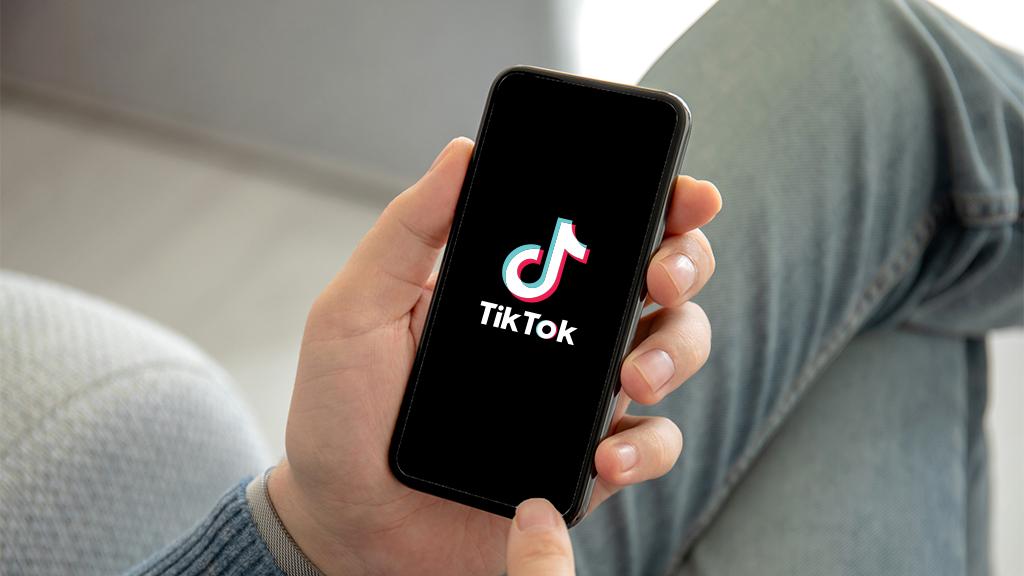

More than a year after TikTok briefly went dark in the United States following the passage of a law targeting the app, American users were once again met with a mandatory message: to keep scrolling, they had to agree to updated terms of service and a revised privacy policy.
The new documents took effect on January 22, 2026, after TikTok’s U.S. operations were sold by ByteDance to TikTok USDS Joint Venture LLC, a majority American-owned company that is expected to oversee U.S. users’ data, content and the platform’s recommendation algorithm.
While pop-up notices asking users to accept updated terms are common — and most people typically click “agree” without reading — this time the reaction was different. The ownership change, coupled with concerns about potentially replacing Chinese oversight with American oversight, prompted many users to take a closer look. Screenshots of legal language quickly circulated on social media, often accompanied by warnings about sweeping new data collection practices.
However, a closer review of the updated policies suggests that much of the language sparking alarm is not actually new. For instance, the list of “sensitive personal information” — including categories such as sexual orientation and immigration status — was already present in TikTok’s previous U.S. privacy policy, last updated in August 2024. In both versions, the wording focuses on information that users voluntarily disclose, such as in posted content or responses to surveys.
Similar categories appear in the privacy policies of other major platforms, including Meta. Such disclosures are often tied to compliance with state-level regulations like the California Consumer Privacy Act, which requires companies to specify certain types of data they may collect. In that context, the language signals regulatory transparency rather than an expansion of surveillance.
Another flashpoint involved a clause stating that TikTok may “collect precise location data, depending on your settings.” While this represents a change in wording, it aligns with common practices across social media platforms. Access to precise GPS location requires explicit user permission through a device’s settings. To date, TikTok has not requested that access from U.S. users, though the updated policy leaves open the possibility in the future.
Beyond privacy concerns, the shift in ownership has also fueled political unease. Some users have questioned the affiliations of the new investors and their perceived ties to former President Donald Trump. In the days following the transition, app uninstalls reportedly surged, and significant technical disruptions during the first week under new ownership — later attributed to a data center power failure — intensified speculation about potential censorship.
Experts in tech ethics note that, regardless of the specifics, widespread confusion over the updated terms highlights a broader issue: privacy policies are notoriously difficult to read and understand. Research consistently shows that most users do not read terms of service, and when they try, the documents are often written at a college or graduate reading level. One analysis estimated that if Americans fully read every privacy policy they encountered in a year, the lost productivity time would amount to hundreds of billions of dollars.
The episode underscores a deeper tension between how technology companies communicate risk and how users interpret it — especially in an era marked by low trust in both Big Tech and government institutions. In such an environment, ambiguity can feel threatening rather than neutral.
Observers argue that instead of dismissing public backlash as overreaction, companies should recognize it as a signal of eroded trust. Making privacy policies clearer and more accessible may be a first step. Rebuilding confidence in how user data and digital experiences are managed, however, is likely the larger challenge.
This article is adapted from an analysis originally published by The Conversation.