

For years, 2030 sounded like a distant checkpoint in climate agreements and corporate sustainability plans. It felt far enough away to debate, delay, or downplay.
It doesn’t anymore.
We are now close enough to that date that scientific projections are overlapping with lived experience. The world is not ending. But it is shifting — and the shift is becoming harder to ignore.
Climate researchers have long warned about the 1.5°C threshold above pre-industrial levels. Current projections suggest the planet could temporarily cross that line before 2030 if emissions continue at today’s pace. That number can sound abstract. What matters is how it translates into daily life.
What 1.5°C Actually Feels Like
It does not mean every day is dramatically hotter. It means the extremes intensify.
By the end of this decade, many regions are likely to experience:
-
Longer and more intense heatwaves
-
Wildfires that burn earlier and spread faster
-
Sudden heavy rainfall events causing flash floods
-
Prolonged droughts disrupting agriculture and water supplies
Climate change is less about steady warming and more about instability. Weather patterns that once felt predictable are becoming erratic.
The Water Pressure Building Toward 2030
One of the most serious risks scientists point to is water scarcity.
By 2030, projections suggest:
-
Hundreds of millions of people could live in areas under severe water stress
-
More cities may approach “Day Zero” scenarios, where reservoirs are critically low
-
Competition between agriculture, industry and households for water will intensify
This is not limited to traditionally arid regions. Southern Europe, parts of the United States, Asia and Latin America are already facing measurable strain.
Water scarcity is not just an environmental issue. It affects food production, energy generation, public health and political stability.
Food, Inflation and Economic Strain
Agriculture depends on stable weather patterns. As temperatures rise and rainfall becomes less predictable, crop yields become more volatile.
By 2030, experts expect:
-
Increased crop losses due to heat stress
-
Flood-damaged harvests in vulnerable regions
-
Shifts in where certain staple crops can grow
For high-income countries, this may mean higher grocery prices. For lower-income regions, it can mean deeper food insecurity and migration pressures.
Climate change is no longer just an environmental debate. It intersects directly with inflation, supply chains and national budgets.
The Psychological and Social Dimension
Another emerging layer is psychological.
Communities repeatedly hit by climate disasters face long-term stress. Insurance premiums are rising in high-risk areas. In some regions, properties are becoming harder to insure altogether.
Younger generations increasingly report anxiety about environmental futures. Climate change is no longer just physical. It is emotional, economic and political.
Will 2030 Be a Turning Point?
2030 will not mark a sudden collapse. It will mark a measurement.
It is the benchmark embedded in global agreements to reduce emissions significantly. Renewable energy adoption is accelerating, and clean technologies are expanding. But global emissions have not declined at the pace many scientists say is necessary.
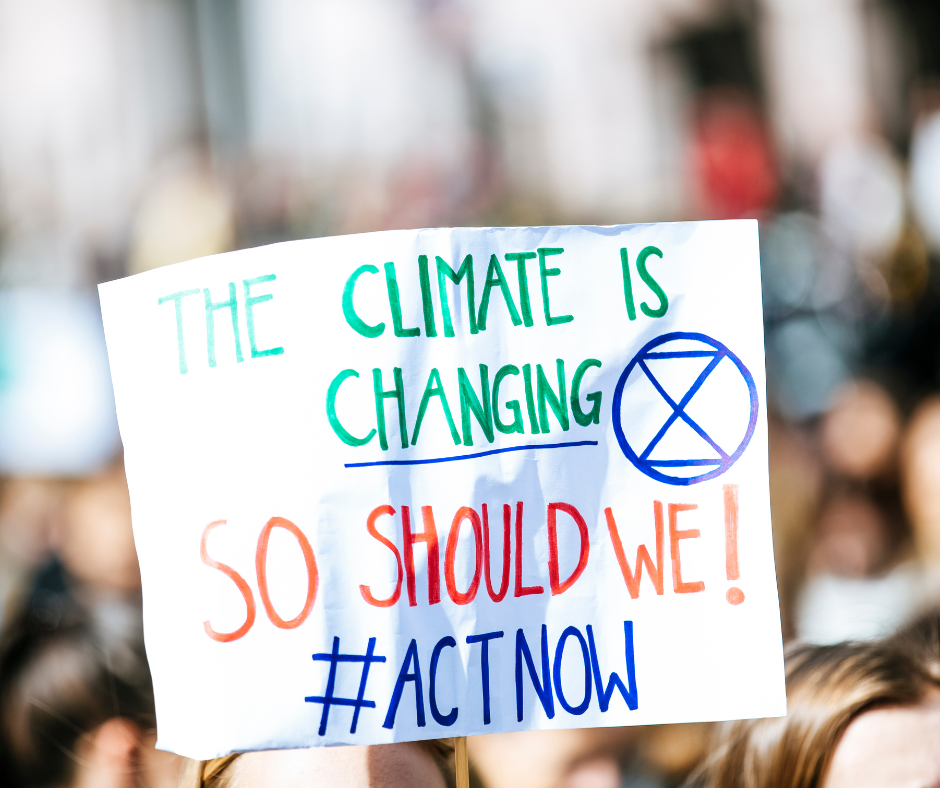
The key question heading into 2030 is not whether change is happening. It is whether mitigation and adaptation efforts are moving fast enough to stabilize long-term risks.
The direction is not fixed. The outcome depends on policy decisions, energy transitions and investment choices being made now.
By the end of this decade, the world will likely feel warmer, more volatile and more expensive to maintain. Whether it also feels more resilient depends on how seriously climate risks are addressed in the years immediately ahead.
What will happen to the climate by 2030?
Most climate projections suggest global temperatures could temporarily exceed 1.5°C above pre-industrial levels before 2030 if emissions remain high. This would likely increase the frequency and intensity of extreme weather events, including heatwaves, droughts and heavy rainfall.
Is 2030 a “point of no return” for climate change?
No single year marks a definitive point of no return. However, 2030 is a critical benchmark because many international climate targets aim for significant emissions reductions by then. Delays make long-term stabilization more difficult and expensive.
Will climate change make food more expensive by 2030?
Climate volatility is expected to increase pressure on agriculture, potentially leading to higher food prices due to crop losses, water shortages and supply chain disruptions.
Which regions are most at risk by 2030?
Regions already experiencing heat stress, drought or water scarcity — including parts of Southern Europe, the western United States, Africa, Asia and Latin America — are projected to face increasing pressure. Coastal areas globally also remain vulnerable to sea-level rise and storm surges.
Can climate change still be slowed before 2030?
Yes. Rapid emissions reductions, expansion of renewable energy, improved energy efficiency and climate adaptation strategies can significantly reduce long-term risks. The window for action is narrowing but not closed.