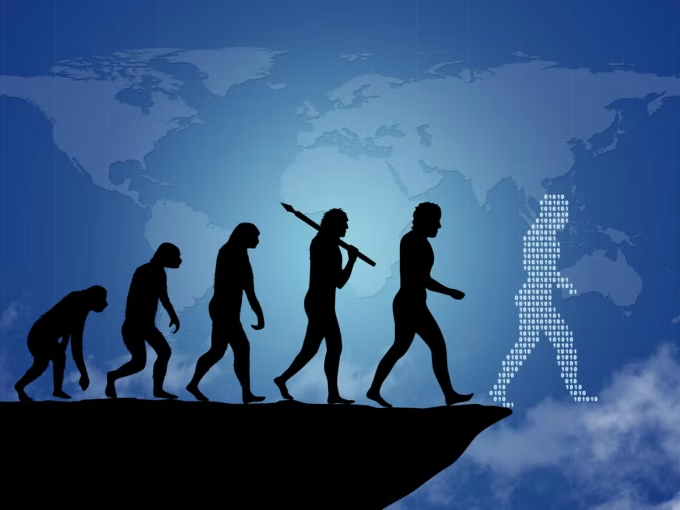

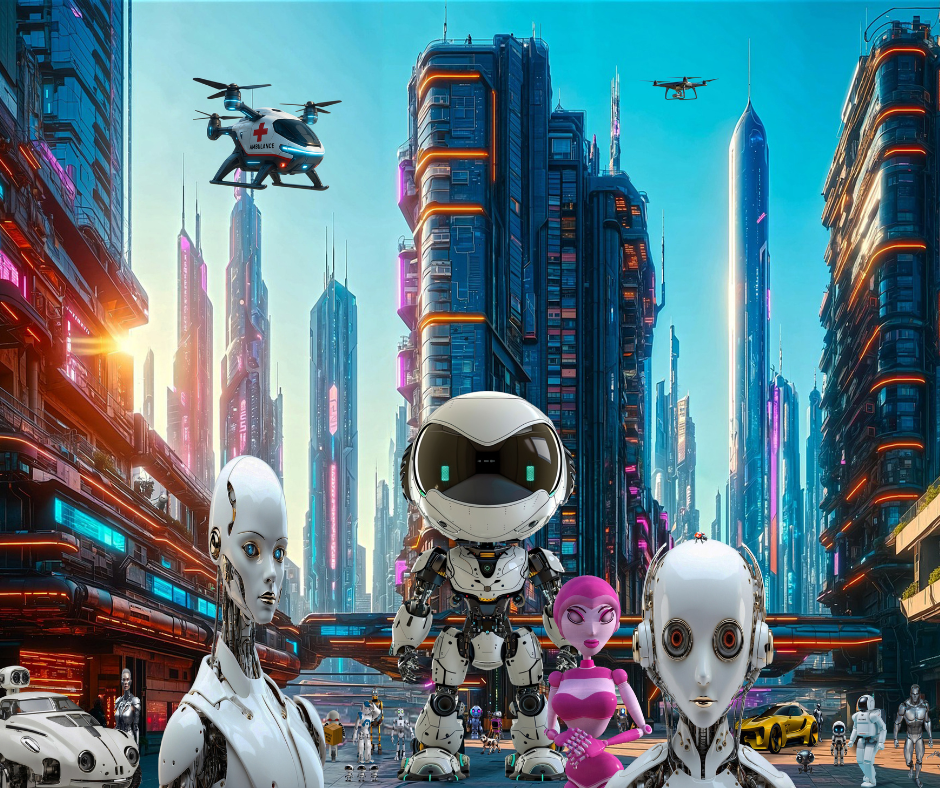

Artificial intelligence is advancing at a breathtaking pace. From generative tools that write code and create art to AI systems managing logistics, healthcare diagnostics, and financial analysis, the technology is rapidly embedding itself into everyday life. But some experts are warning that this rapid acceleration could lead to what they describe as a potential “Hindenburg moment” for AI.
The term refers to the infamous 1937 Hindenburg disaster, when a German passenger airship burst into flames while attempting to land in New Jersey. Although airships were once considered the future of aviation, the dramatic explosion shattered public confidence almost overnight. The disaster didn’t just destroy a vehicle — it damaged trust in an entire technology.
Could artificial intelligence face a similar turning point?
The Risk of Moving Too Fast
One of the biggest concerns surrounding AI development today is speed. Tech companies are locked in intense competition to release more powerful systems, often prioritizing innovation and market dominance over long-term safety considerations.
While AI systems are undeniably impressive, they are also imperfect. Large language models can hallucinate information. Image generators can fabricate convincing but false visuals. Autonomous systems may misinterpret real-world environments. When these tools are used casually, the consequences might be minor. But when deployed in high-stakes settings — such as healthcare, transportation, law enforcement, or financial systems — small errors can scale into serious harm.
The fear is not necessarily that AI will become “evil,” but that it may be released widely before it is fully understood or properly safeguarded.
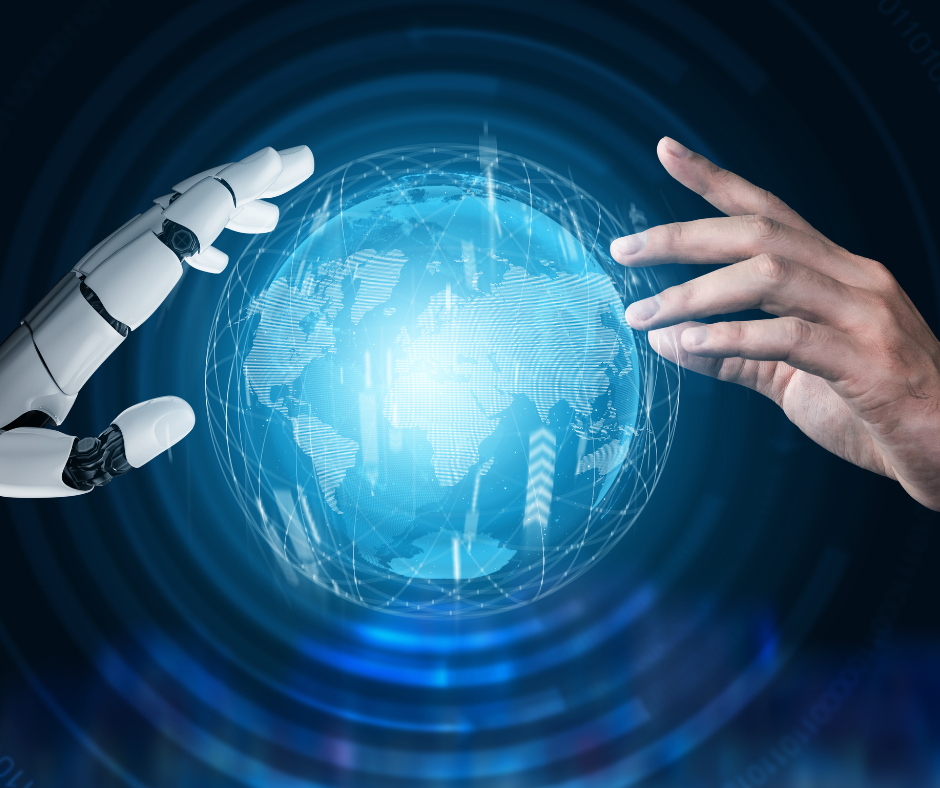
Overconfidence: The Hidden Danger
Another major risk lies in human psychology.
AI systems often present information with confidence, even when that information is incorrect. This creates a dangerous illusion of reliability. When users begin to overtrust automated systems, they may stop verifying outputs or questioning decisions.
This phenomenon is known as automation bias — the tendency to favor machine-generated conclusions over human judgment. In industries that rely heavily on data and decision-making, such as medicine or finance, overconfidence in AI could amplify mistakes rather than reduce them.
If a high-profile failure were to occur — for example, an AI system causing a major financial crash, enabling large-scale fraud, or contributing to a catastrophic accident — public trust could erode rapidly.
That would be the “Hindenburg moment.”
The Power of Public Perception
Technologies don’t just succeed based on functionality; they depend on trust.
History shows that public perception can determine whether a technology thrives or collapses. Nuclear energy, genetically modified foods, and early aviation all faced waves of skepticism after high-visibility incidents. In some cases, fear reshaped regulations and slowed adoption for decades.
AI is uniquely vulnerable because it operates invisibly in many systems people already rely on. If trust is broken, the backlash could be swift and global.
Governments might respond with heavy regulation. Companies could face lawsuits. Investors might withdraw funding. Consumers may resist adoption. Even responsible AI initiatives could suffer collateral damage.
Are We Headed Toward Disaster?
Not necessarily.
There are strong efforts underway to improve AI safety, transparency, and governance. Researchers are actively working on alignment techniques, bias mitigation, interpretability tools, and risk evaluation frameworks. Policymakers are drafting AI regulations. Industry leaders are forming partnerships to establish best practices.
However, the challenge remains: innovation is moving faster than regulation.
When technological capability grows exponentially while oversight evolves gradually, friction is inevitable. The question is whether the AI industry can build enough safeguards before a major failure forces reactive restrictions.
The Difference Between Hype and Reality
It’s also important to separate dramatic metaphors from balanced analysis.
Comparing AI to the Hindenburg disaster is powerful rhetoric, but artificial intelligence is not a single product or vehicle. It is a broad category of tools with diverse applications. Even if one AI system fails spectacularly, it does not necessarily invalidate the entire field.
That said, high-profile incidents shape narratives. And narratives influence policy, funding, and adoption.
The true danger may not be a single catastrophic event, but a gradual erosion of trust caused by repeated smaller failures — misinformation, deepfakes, biased decisions, or unreliable automation.
Building a Future Without a “Hindenburg Moment”
To avoid a dramatic collapse of confidence, several steps are essential:
- Transparency – Companies must clearly communicate AI limitations.
- Testing and Red Teaming – Systems should undergo rigorous stress testing before public release.
- Human Oversight – AI should augment, not replace, critical human judgment.
- Regulatory Cooperation – Industry and governments must collaborate proactively rather than reactively.
- Public Education – Users need to understand what AI can and cannot do.
The goal is not to slow innovation unnecessarily, but to align speed with responsibility.
Conclusion
Artificial intelligence represents one of the most transformative technologies of our era. It has the potential to revolutionize industries, increase productivity, and solve complex global problems.
But transformative technologies carry transformative risks.
Whether AI experiences a “Hindenburg moment” depends largely on how responsibly it is developed and deployed. If safety, transparency, and accountability keep pace with innovation, AI may continue its trajectory without major disruption. If not, a single visible failure could reshape public trust for years to come.
The future of AI may not hinge on its intelligence — but on our wisdom in managing it.