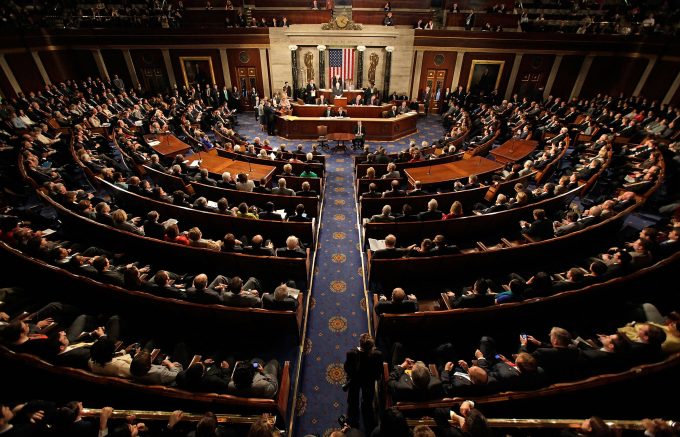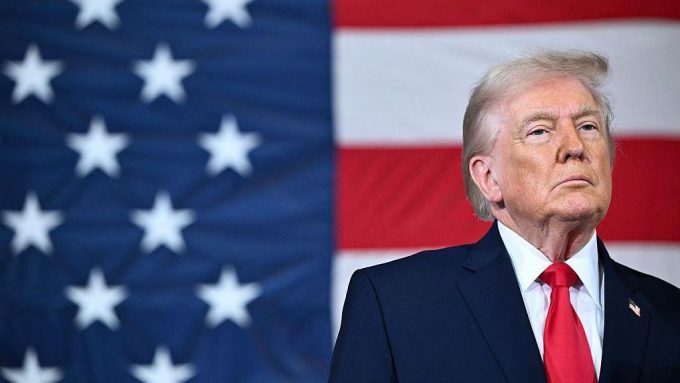


The American capital is at a boiling point. Today isn’t just about typical partisan rhetoric; we are witnessing a tectonic shift in how Washington governs. Following months of grueling negotiations, the U.S. Congress has reached a critical juncture that could redraw the economic map of the world.
1. The Budget Standoff: Who Blinks First?
The stakes today center on the new legislative package regarding the national debt ceiling. In a deeply polarized America, Republicans and Democrats have transformed fiscal figures into high-stakes political weaponry.
-
The Conservative Bloc: Demanding massive spending cuts, specifically targeting green energy subsidies and foreign aid.
-
The Administration: Arguing that any retreat now will cede the technological and moral high ground to global competitors in the 2026 race for dominance.
2. The “Global Pocketbook” Impact
Why does this matter to the rest of the world? It’s simple: when Washington sneezes, global financial markets catch a cold. Today’s instability has already triggered fluctuations in the S&P 500, and international investors are watching closely to see if the U.S. Dollar maintains its hegemony amidst these regulatory shifts.
3. The “2026 Factor”: Priming for the Big Race
We cannot ignore the elephant in the room: the upcoming Presidential cycle. Today’s events are, in essence, the opening salvos of the next great campaign. Leaders from both parties are test-driving their core messages, using the floor of Congress as a stage for a political performance aimed at 2028.
“What we are seeing today in Washington is not merely an administrative disagreement; it is a battle for the very identity of America in the latter half of this decade.” – Senior Political Analyst.
The Verdict: What to Expect Next?
The next 24 hours are decisive. If a compromise is not reached by midnight, we could witness a partial government shutdown—a scenario that would send shockwaves through global diplomacy and international security alliances.
Stay tuned: The United States is in a moment of profound redefinition, and the decisions made today will dictate the rhythm of the global economy for the remainder of 2026.